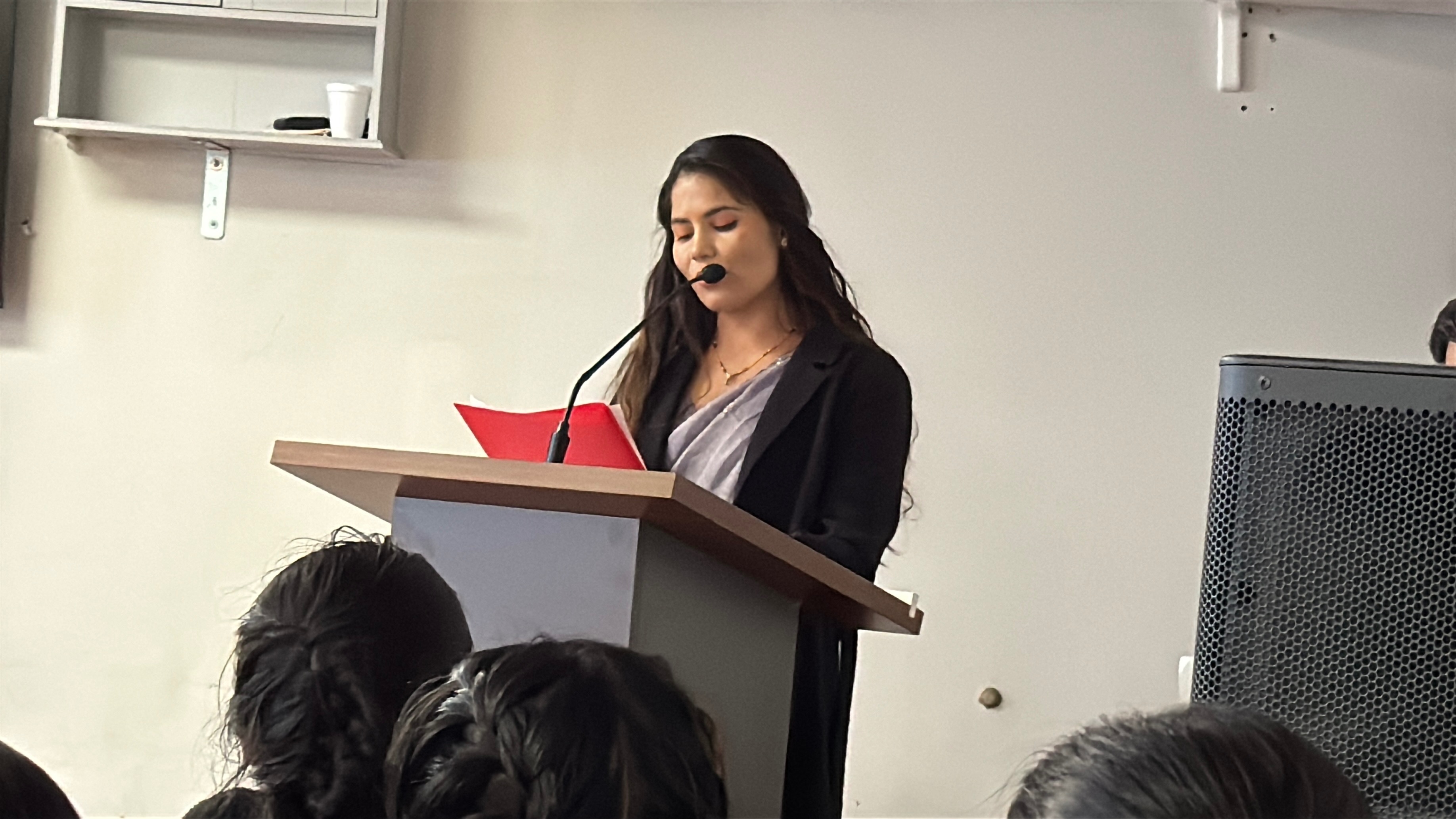
Dr. Hari Uprety: From Bhutanese Refugee Camps to a Global Voice of Nepali Literature
Bhutan Khabar
Writer at Bhutan Khabar
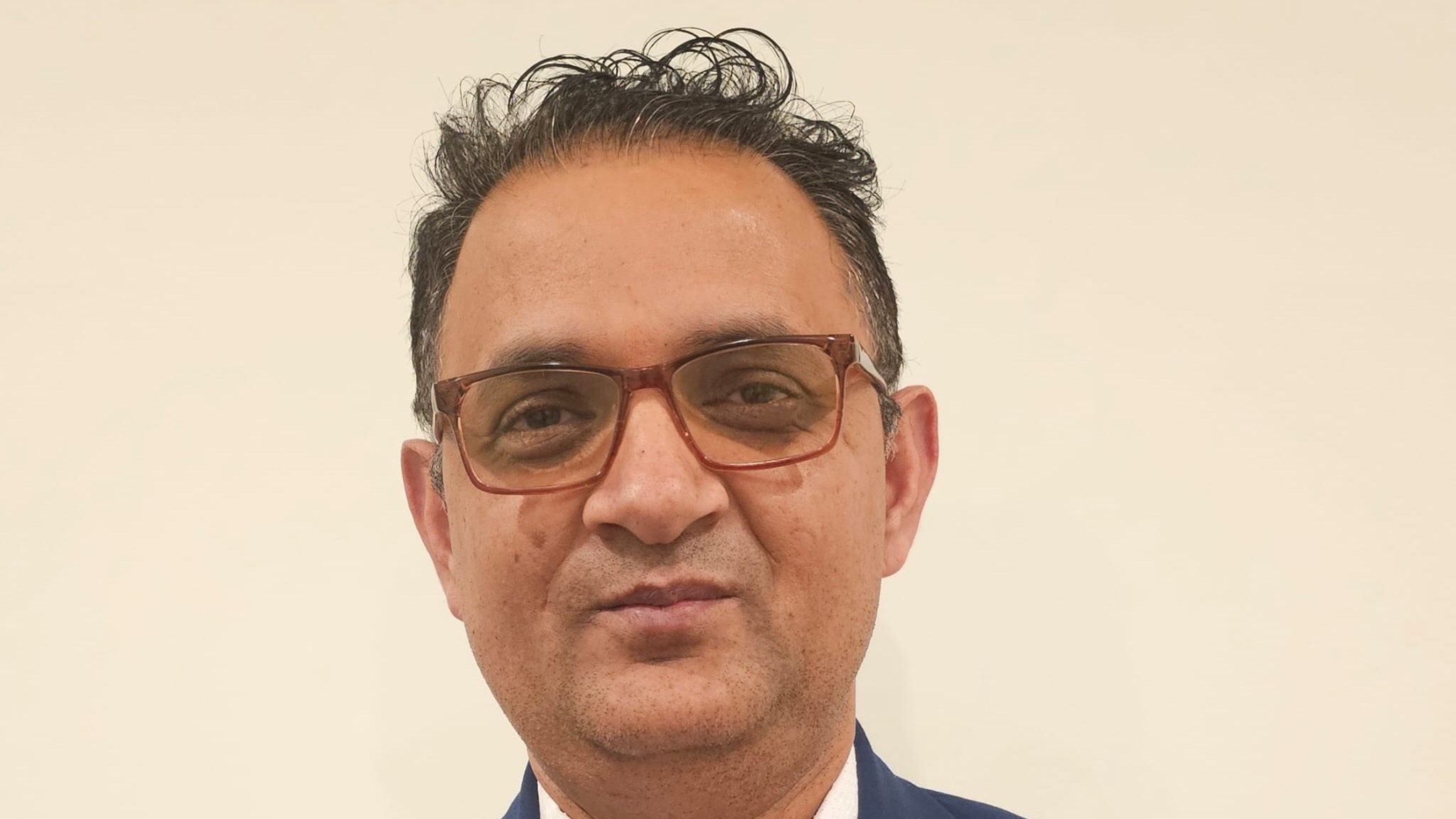

Dr. Hari Uprety stands today as one of the most respected Nepali diaspora literary figures, lyricists, and community leaders whose life journey reflects resilience, creativity, and an unwavering commitment to cultural preservation. Born in 1976 in the lush yet politically turbulent landscape of Bhutan, his early years were shaped by both the richness of his heritage and the harsh realities of political displacement.
The son of Ganesh Uprety and Damber Kumari Uprety, he grew up in a family that valued honesty, cultural pride, and education—values that later became foundations for his lifelong contributions to Nepali literature, music, and community service.
However, like thousands of Nepali-speaking Bhutanese of his generation, his childhood was abruptly transformed by political pressure and ethnic discrimination. Forced to leave Bhutan with his family, he embarked on a journey of uncertainty that would eventually define his identity and purpose. The Uprety family found refuge in Eastern Nepal, where they lived for 18 challenging years inside a refugee camp. Life within the camp was marked by scarcity, struggle, and constant reminders of loss. But for young Hari Uprety, those years also became a period of inner growth. Amid the hardships, he discovered the transformative power of literature, poetry, and songwriting—mediums through which he could voice the longings, resilience, and dreams of a displaced people.
It was during these difficult years that his passion for Nepali literature blossomed. Surrounded by a community yearning for identity and expression, he found inspiration to write poems, lyrics, and reflective narratives that captured the emotional landscape of exile. Over time, literature became more than a personal refuge; it became a mission—a means to safeguard the cultural memory of a scattered generation. His writings, influenced by both sorrow and hope, began resonating with readers and listeners who found their own stories reflected in his lines.
In 1997, amidst the struggles of refugee life, he married Radhika Uprety, a supportive partner who would stand by him through every chapter of his life. Their journey together symbolized love, resilience, and the shared determination to build a meaningful future despite uncertainty.
Though his circumstances were challenging, Hari Uprety did not let hardship define his destiny. He pursued education with remarkable perseverance, eventually earning advanced degrees including an M.Ed., an MA, and later a Doctor of Business Administration (DBA) with specialization in organizational leadership and cultural research. His academic journey, from a refugee camp to doctoral achievement, is a compelling testament to his dedication and intellectual discipline.
Before long, his literary and musical talent began to take shape professionally. His lyrics, known for their emotional depth and poetic clarity, gained recognition in Nepal’s music industry. Over the years, Dr. Uprety wrote songs featured in more than twelve Nepali films, contributing meaningfully to the evolution of contemporary Nepali cinema music. His words—deeply rooted in Nepali sensibility, yet universally relatable—helped define the emotional tones of many memorable films.
Beyond films, he ventured into musical production, creating four notable music albums:
• Karuna Part 1
• Karuna Part 2
• Prabhu Bandhana
• Collection Album Purna
These albums showcased his lyrical mastery across genres—from devotional to sentimental, from philosophical to romantic—revealing a versatile artistic mind capable of touching diverse audiences. Apart from these musical albums, Dr. Uprety has recorded more than 100 songs in his lyrics that reflect the literary resiliency and stories of the diaspora.
In 2009, Dr. Uprety embarked on yet another transformative chapter as he moved to the United States with his wife and two daughters—Leela and Laxmi Uprety—in search of stability and a future shaped by opportunity rather than displacement. Settling in the American Midwest, the family eventually made Ohio their permanent home. The transition from refugee life to American society was not without challenges, but Dr. Uprety carried with him the resilience forged in adversity, turning his new environment into a platform for growth, service, and creativity.
From 2009 to 2017, he worked actively as an educator and community organizer, contributing to immigrant empowerment, youth mentorship, and cultural programs that strengthened the fabric of Nepali diaspora communities. His work during these years helped hundreds of newly arrived families build confidence, navigate opportunities, and establish a collective sense of belonging.
Gradually, his leadership expanded beyond local community work. In recognition of his vision and commitment, he rose to significant positions within cultural and literary circles. His continued dedication to Nepali music earned him more than ten prestigious awards, including the distinguished “Diaspora Geetkar Samman” conferred by the Geetkaar Sangh, Nepal. These honors acknowledged not only his artistic excellence but also his role in amplifying the voices and experiences of Nepali diaspora populations.
As his professional life advanced, Dr. Uprety embraced entrepreneurship, becoming the CEO of Omega Home Care Services, LLC, a growing home-care organization. Under his leadership, the company has built a reputation for compassionate service, professional integrity, and a mission-driven approach to community well-being. His leadership in the health-care sector reflects the same values seen throughout his life: empathy, commitment, and the desire to uplift others.Parallel to his career, his academic interest in culture and music matured into a formal research pursuit. His doctoral work, titled “Cultural Resonance: Investigating the Role of Nepali Folk Music in Preserving Heritage and Cultural Identity Among Nepali Diaspora in the United States,” established him as an important scholar in diaspora cultural studies. Through this research, Dr. Uprety explored how music serves as an anchor of identity, memory, and belonging for communities living far from their homeland. His findings contributed to broader discussions on migration, heritage preservation, and the role of traditional arts in modern diasporic life.In addition to his academic and musical achievements, Dr. Uprety is also an accomplished author. He published the poetry collection “Gunaso Gazal Sangrah,” a compelling anthology of gazals that reflect the emotional depth of exile, personal loss, philosophical introspection, and social observation. The book has been appreciated for its literary richness and its ability to articulate the unspoken feelings of displaced and marginalized communities.His passion for promoting Nepali literature and lyrics took a more structured form in 2023, when he founded the International Nepali Lyricist Association (INLA). As its Founder President, he has been working tirelessly to build a global network that supports emerging lyricists, strengthens cultural exchange, and safeguards Nepali lyrical traditions for future generations. Through workshops, international collaborations, recognition programs, and digital initiatives, the organization has become a vital platform for Nepali writers and musicians living around the world.
Despite his many roles—as CEO, researcher, lyricist, community leader, author, and cultural advocate—Dr. Uprety continues to describe himself first and foremost as a storyteller. For more than 25 years, he has written Nepali lyrics, poems, articles, and reflective pieces that illuminate the emotional, cultural, and spiritual dimensions of human life. His writings are characterized by sincerity, sensitivity, and a deep understanding of the human condition—particularly the experiences of those who live between homelands, identities, and memories.
Today, Dr. Hari Uprety resides in Ohio with his family, continuing his lifelong mission of serving community, promoting Nepali cultural heritage, and nurturing the next generation of Nepali diaspora artists. His life journey—from a Bhutanese childhood disrupted by political turmoil, to 18 years of refugee existence in Nepal, to academic and artistic accomplishments in the United States—embodies the extraordinary resilience of the human spirit.More than a biography, his story is a testament to the transformative power of education, the enduring influence of art, and the unbreakable strength of cultural identity. As a writer, researcher, and leader, Dr. Uprety has not only chronicled the experiences of his community but also inspired countless individuals to rise above their circumstances and to transform hardship into purpose.Through his songs, he has preserved emotions that cannot be captured by history books. Through his poetry, he has articulated the silent struggles of exile. Through his leadership, he has united diaspora communities across continents. And through his research, he has contributed to global understanding of how culture survives, evolves, and continues to guide people separated from their homeland.
In every chapter of his life, Dr. Hari Uprety has demonstrated that creativity is not limited by circumstance, that identity can flourish even in displacement, and that dedication to one’s culture can become a legacy that transcends geography. Today, he stands as a beacon of Nepali literary and musical heritage—a cultural ambassador whose work continues to enrich both the Nepali-speaking world and the broader global community.
Netra Acharya- Thanks and congratulates Dr. Hari Uprety for his inspiring life journey and outstanding contributions to Nepali literature, music, research, and community leadership.His resilience and dedication have preserved our cultural identity and inspired generations across the diaspora. Heartiest congratulations and best wishes for continued success.

Comments (0)
You need to be logged in to comment
Login to CommentNo comments yet. Be the first to comment!
Related Articles