Mental illness is not small, temporary, or easy to overcome. It is a silent, relentless battle that many people fight every day.
Bhutan Khabar
Writer at Bhutan Khabar
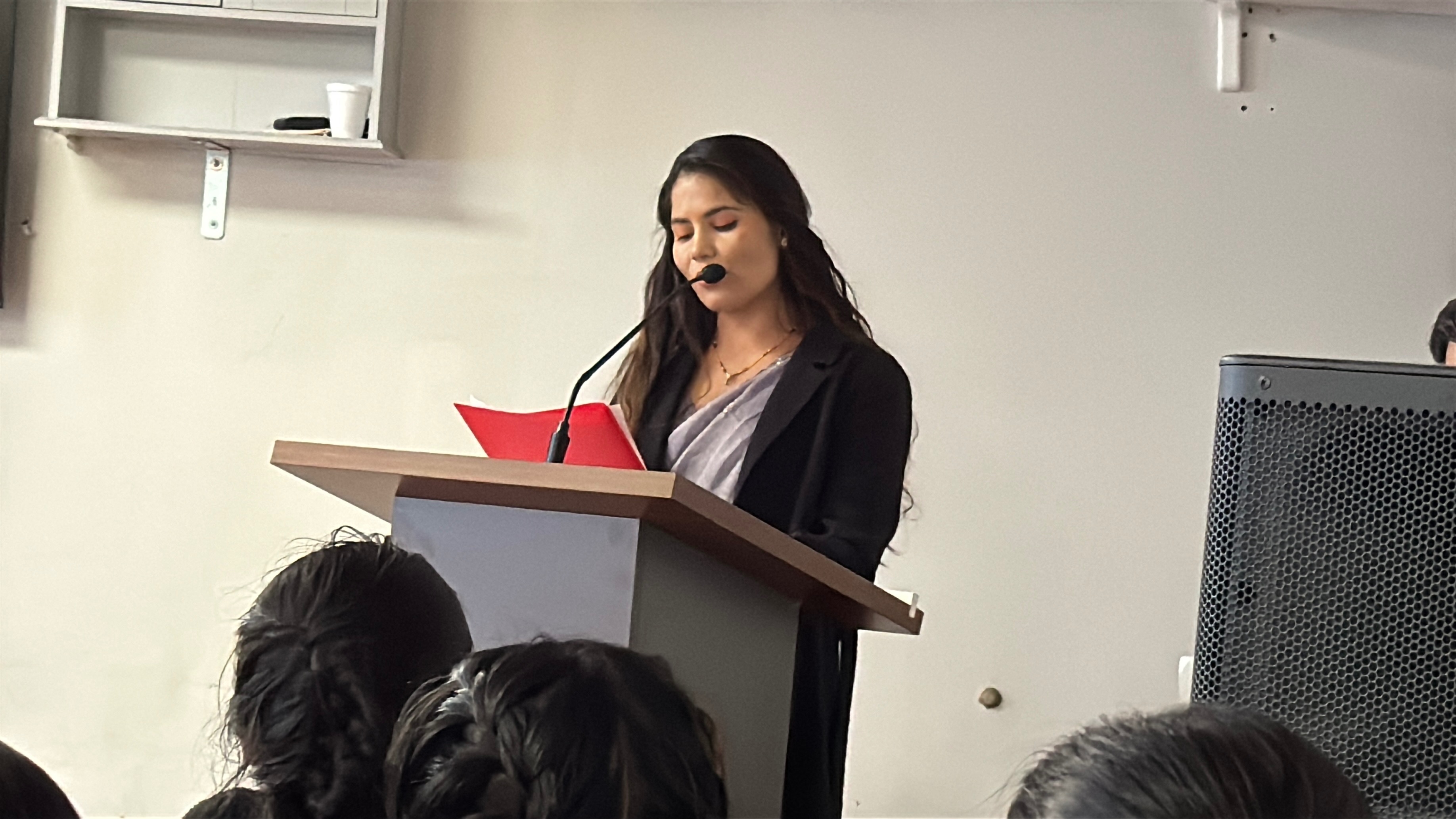

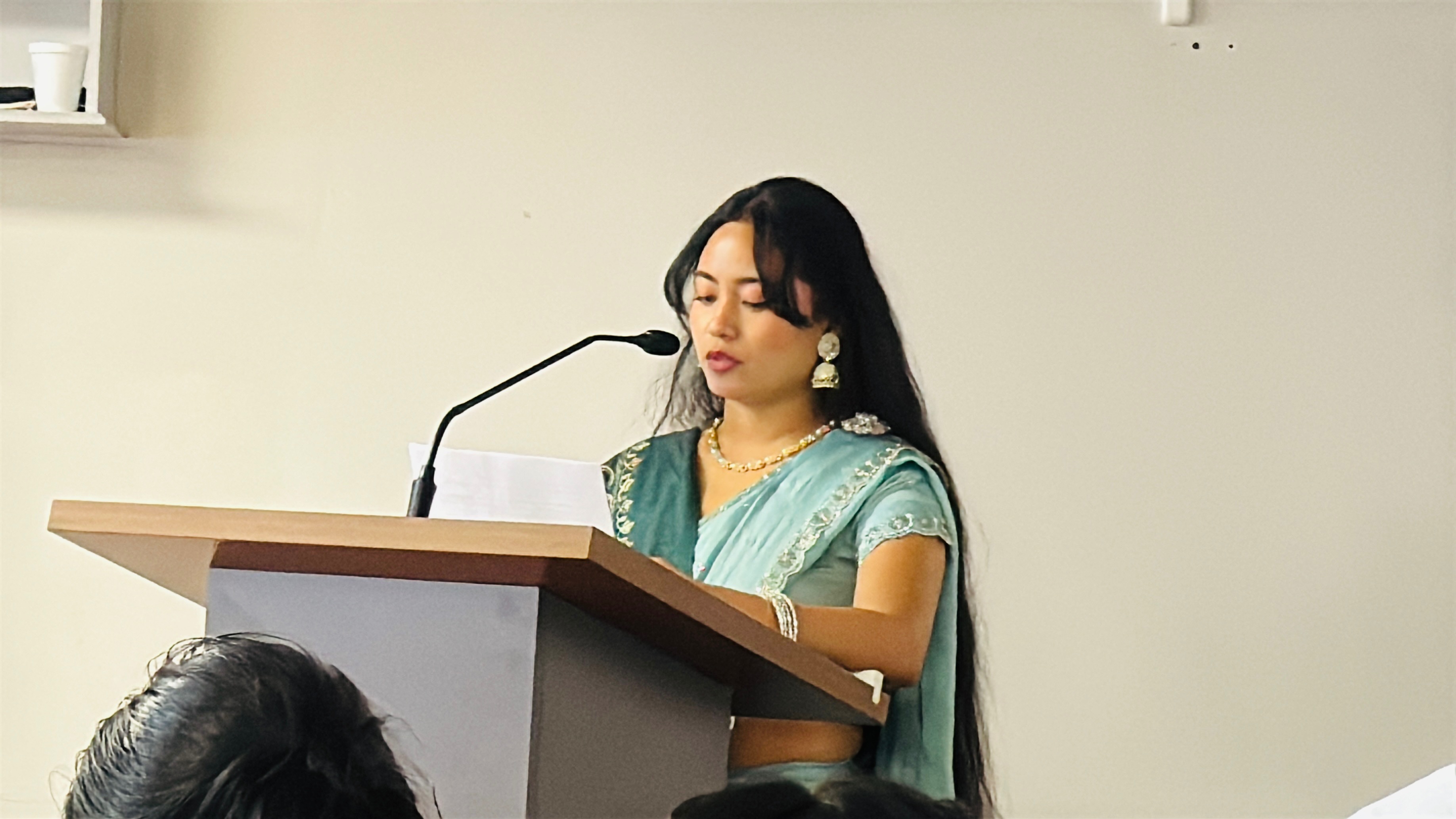
Namaskar, and good afternoon everyone.
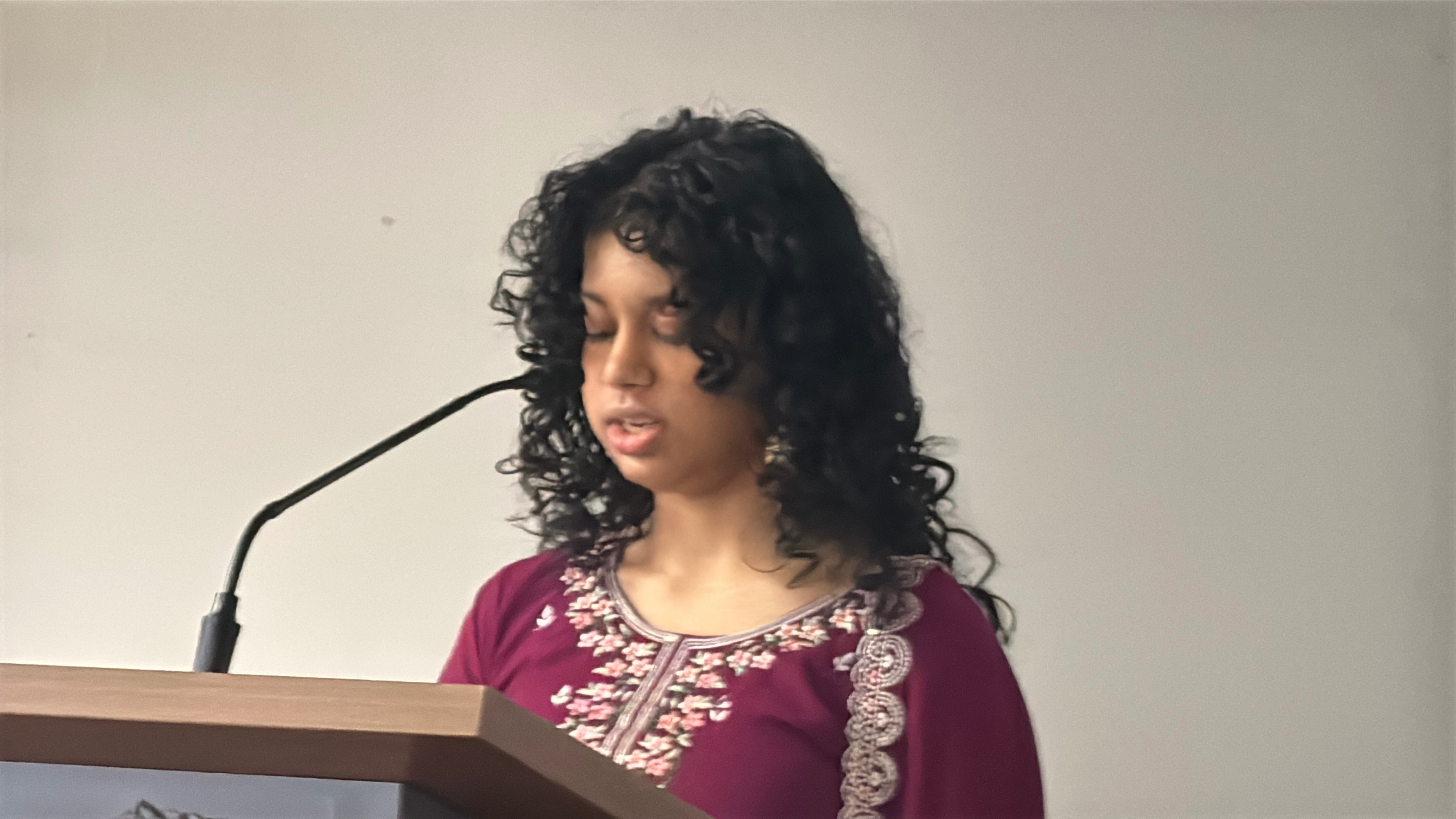
My name is Yanu, and I am truly honored to be here today. Through my training in New
Hampshire School, I had the opportunity to support individuals living with HIV and STI illness, as
well as assist women experiencing violence. These experiences strengthened my commitment
to serving and supporting our community.
I now continue that journey as a Youth Coordinator at OHRC. Today, I would like to speak about
a topic that is very close to my heart — mental health awareness in our community.
Mental Health Awareness In Our Community
Mental illness is not small, temporary, or easy to overcome. It is a silent, relentless battle that
many people fight every day. Depression is not just sadness - it is constant negative thoughts,
emotional exhaustion, and a darkness that slowly takes over everything. It is losing interest in
life, wanting to be alone, and struggling to care for your own body and well-being.
It is heartbreaking to see our brothers, sisters, elders, teachers, doctors, leaders, and
hardworking individuals from Nepal and Bhutan who once held respected positions through
years of dedication and sacrifice now struggling in new land.
Back home, they were educators, professionals, entrepreneurs, and community leaders. Today,
because of language barriers, re-education requirements, chronic illness, caring for autistic
children, sick parents, addiction issues among youth, and economic pressures, many are
working in warehouses, hotels, hospitals, and other labor-intensive jobs just to survive.
There is dignity in all work, but the pain comes from losing identity, status, dreams and long -
held goals. They appear strong for their children and families, smile in public, carry responsibility
silently, but inside, many are hurting.
Many of us remember life in refugee camps. We remember homes that were not strong enough
to protect us from rain and wind, the scarcity of food at the dinner table, and the long lines at
water taps that only ran at certain times. We remember using kerosene lamps only for a few
hours, just enough to study or do housework. We remember the shortage of health clinics, the
lack of proper education about health and well-being, We remember uncertainty - not knowing
what tomorrow would bring. Even in Bhutan, at least families had homes and land. But in the
camps, life was survival.
Our grandparents, parents, brothers, and sisters endured years of instability and fear. That
trauma does not disappear just because we now live in a great nation like America. The worry,
insecurity, and survival mindset often follow us.
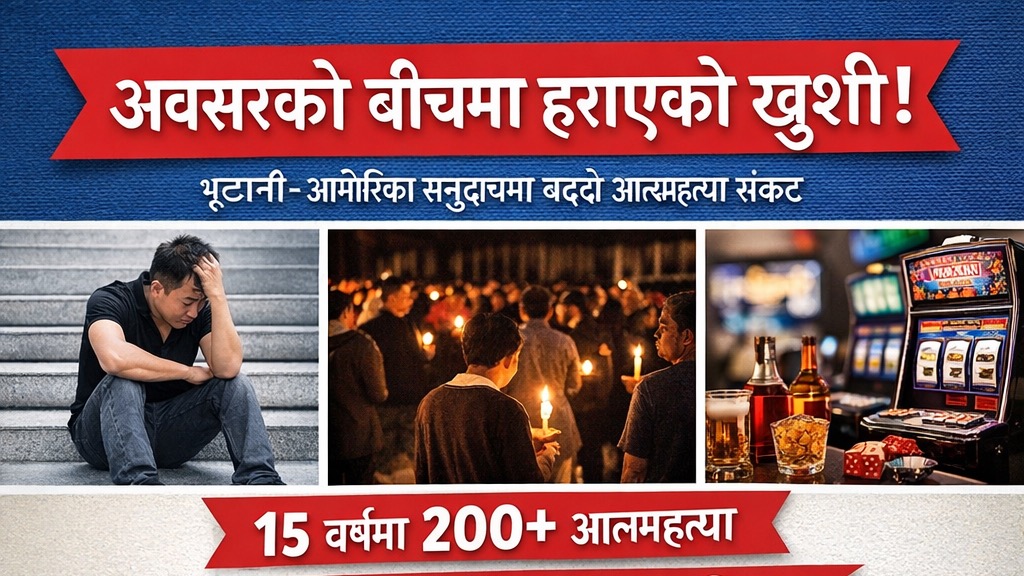
According to CDC reports (2009 - 2012), suicide rates in the Bhutanese refugee community
were approximately 21-24 per 100,000 people, nearly double the U. S. average at that time.
Many of the cases involved men under 50, often within one to two years of arrival, witheconomic hardship being a major factor. These are not just numbers but these are fathers,
sons, brothers, friends, who left us by struggling alone.
Our elders were raised to hide pain, they were taught to endure silently. Mental illness is often
buried deep inside due to; Stigma, isolation, loneliness, language barriers, low trust in
counseling, fear of judgment. Meanwhile, younger generations born here are more open about
emotions, this creates a generation gap in how we talk about feelings. But mental illness is not a
weakness, it is not shameful, it is not something to ignore.
Since then, I have started working as a part of OHRC and being Youth Coordinator, I have been
learning a lot. The hardship that our leaders are still doing here to protect our culture and
religions is indelible.
By being aware of all these things happening in our community, i have few things to say that
might change our community’s way of thinking and way of living. We have built beautiful temples
together through unity and faith. Let us now use these sacred spaces not only for worship, but
also for healing.
Here are some steps we can take as a community:
-
Create Satsang and Bhajan gathering
-
Reach out to local and state level for resources
-
Volunteers support teams
Train community volunteers to:
-
Check in on isolated elders
-
Visit families facing hardship
-
Connect people to professional help when needed
Youth - parents dialogues
Organize open discussions to bridge the generation gap, help parents understand mental health
language used by youth, and help youth understand their parents’ sacrifices. Let us combine
available medical treatment and community support for an efficient outcome. Encourage
seeking professional help while also providing cultural and spiritual support. Both can work
together, normalizing conversation about mental health.
Let’s make it acceptable to say; “I am not okay.
”
,
“I need help.
”
“I feel overwhelmed.
”
,
No one should suffer alone. This temple belongs to all of us. This community belongs to all of
us. Let us use our faith, unity, and compassion to ensure that no one - no elder, no parent, no
youth - has to suffer silently.
We survived displacements. We survived camps. We survived starting over. Now, let us learn
not just to survive - but to h

Comments (0)
You need to be logged in to comment
Login to CommentNo comments yet. Be the first to comment!
Related Articles