KP Sharma Oli Faces Public Backlash After Sudden Facebook Follower Surge
Bhutan Khabar
Writer at Bhutan Khabar
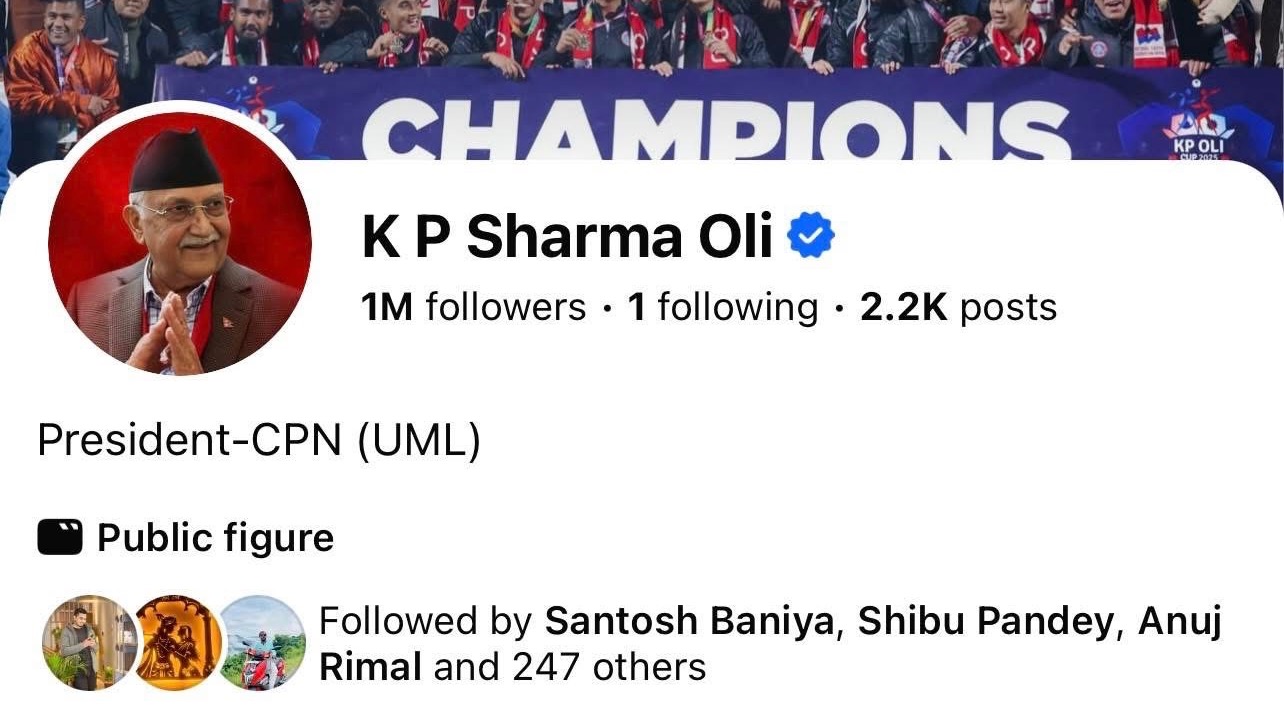

Former Prime Minister of Nepal, KP Sharma Oli, is facing growing public criticism following a sudden and dramatic rise in his Facebook followers. His official profile reportedly increased from around 600,000 followers to nearly 1 million within a short period after promotional activity. Many social media users have questioned whether the growth reflects genuine public support or paid digital promotion. Supporters argue that advertising and boosting online presence is a common strategy used by politicians globally, while critics see it as an attempt to artificially strengthen his public image at a time of declining popularity.
The controversy comes in the aftermath of a recent youth-led protest movement often described as a “Gen Z protest,” which brought thousands of demonstrators into the streets expressing frustration over governance, corruption, and political instability. During the unrest, reports circulated that Oli was evacuated by helicopter for security reasons. While state security protocols typically determine such actions during volatile situations, critics portrayed the incident as damaging to his political stature, suggesting it symbolized weakening public confidence and distancing from the people.
Public opinion about Oli remains sharply divided. His critics label him one of the most controversial prime ministers in Nepal’s modern political history, citing periods of political turbulence, internal party disputes, and economic challenges during his tenure. On the other hand, his supporters credit him with promoting nationalist policies, infrastructure expansion, and assertive diplomatic positioning during complex regional circumstances. The polarized reactions highlight the deeply divided political climate that continues to shape national discourse.
As Nepal’s political environment evolves, social media has become a powerful battleground for shaping narratives and influencing public perception. The debate surrounding Oli’s online follower growth and recent security episode reflects broader concerns about authenticity, leadership credibility, and digital-era politics. Whether these developments will significantly affect his long-term political influence remains uncertain, but they have undeniably intensified discussions about trust, accountability, and the role of technology in Nepal’s democratic landscape.

Comments (0)
You need to be logged in to comment
Login to CommentNo comments yet. Be the first to comment!
Related Articles
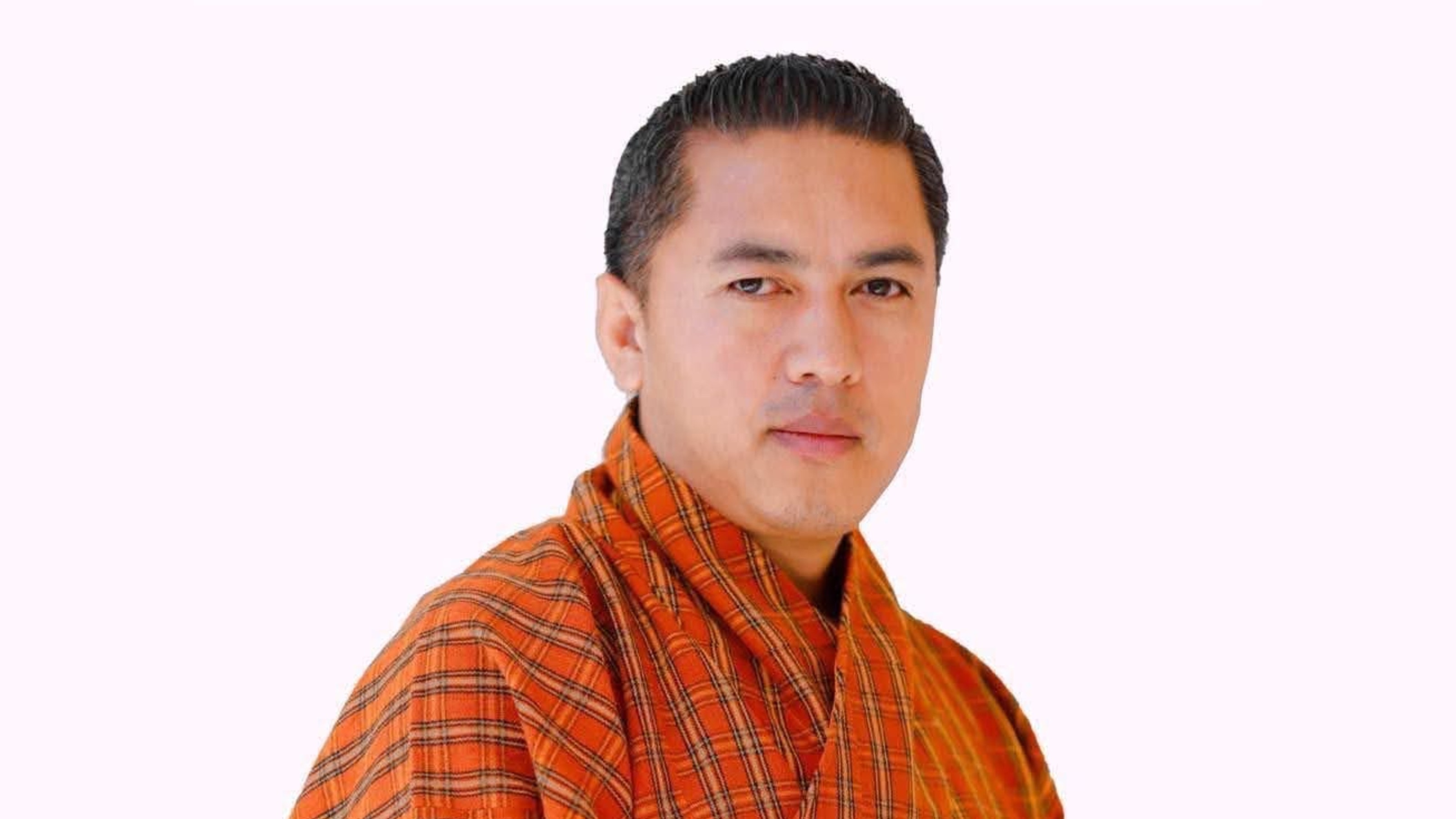
गम्भीर यौन दुर्व्यवहार, छल र धम्कीको आरोप खेपेका भुटानका गृहमन्त्री ल्योन्पो छेरिङले नैतिकताको आधारमा आफ्नो पदबाट राजीनामा दिएका छन्। एक महिलाले वैवाहिक स्थितिबारे भ्रममा पारेको, व्यावसायिक सीपको निःशुल्क प्रयोग गर्न दबाब दिएको र मानसिक क्षति पुर्याएको आरोप लगाउँदै उजुरी दर्ता गरेपछि यो विषय सार्वजनिक बहसको केन्द्रमा थियो। भुटानी राजाले नैतिक मूल्य र जवाफदेहिताको सन्देश दिएको पृष्ठभूमिमा मन्त्रीले राजीनामा दिएका हुन्। मुद्दाको निष्पक्षता र कानुनी जिम्मेवारीबारे अब थप अनुसन्धानबाट निष्कर्ष निकालिनेछ।
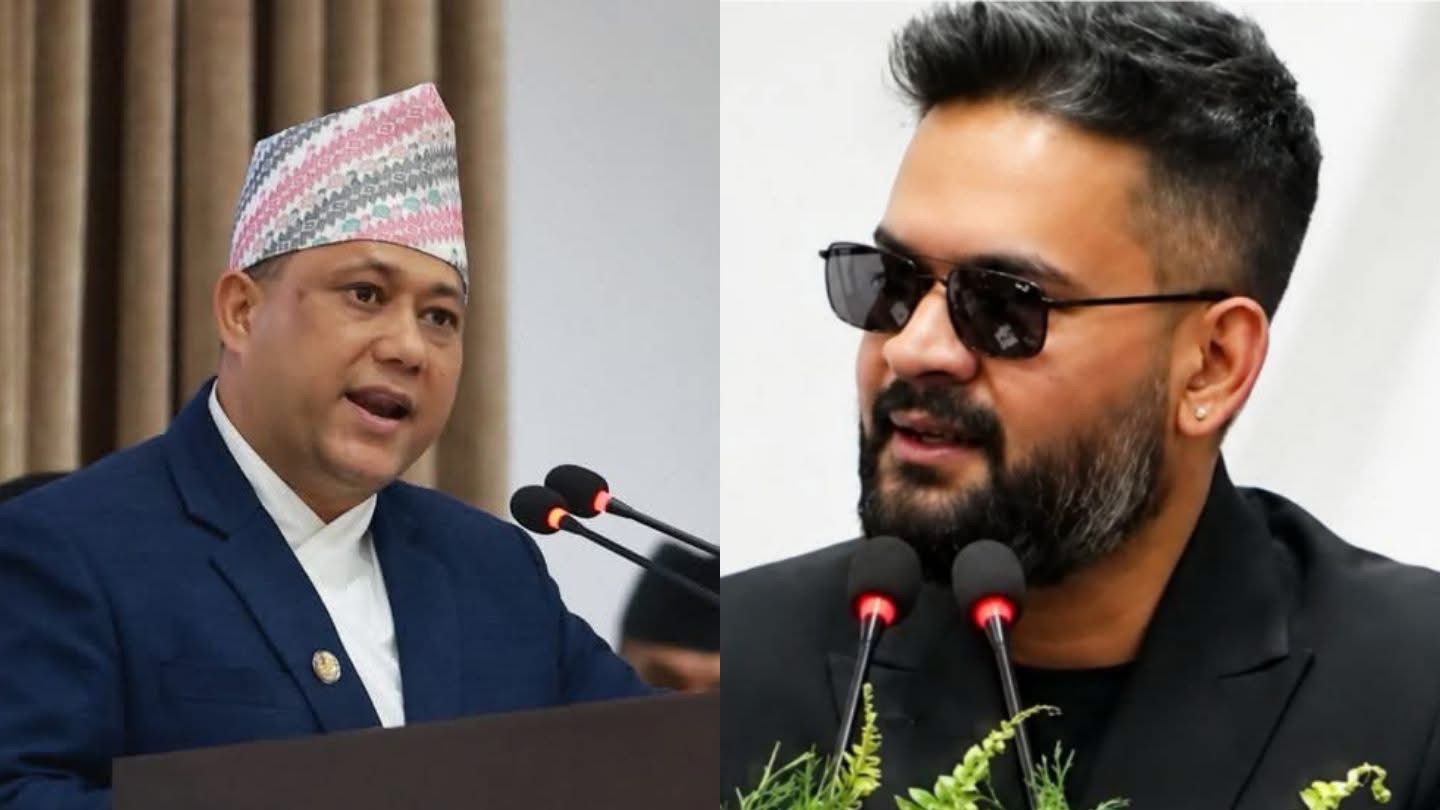
प्रधानमन्त्रीको “नेपालले पनि भारतको जग्गा मिचेको छ” भन्ने विवादित अभिव्यक्तिपछि परराष्ट्रमन्त्रीले संसदमा स्पष्टीकरण दिएका छन्। उनले प्रधानमन्त्रीको भनाइ सीमा क्षेत्रमा देखिएको क्रस-बोर्डर अकुपेसन र दसगजा अतिक्रमणको प्राविधिक यथार्थसँग सम्बन्धित रहेको बताएका छन्। नेपाल–भारत सीमा विवाद द्विपक्षीय विषय भएको उल्लेख गर्दै सरकारले ऐतिहासिक सन्धि, नक्सा र कूटनीतिक वार्तामार्फत समाधान खोज्ने प्रतिबद्धता दोहोर्याएको छ।

मानव अधिकार आयोगले केपी शर्मा ओली, रमेश लेखक र पृथ्वीसुब्बा गुरुङलाई मानव अधिकार उल्लंघनसम्बन्धी घटनामा कारबाही गर्न विशेष कानुन निर्माण गर्न सरकारलाई सिफारिस गरेपछि नेपालको राजनीतिक वृत्तमा नयाँ बहस सुरु भएको छ।
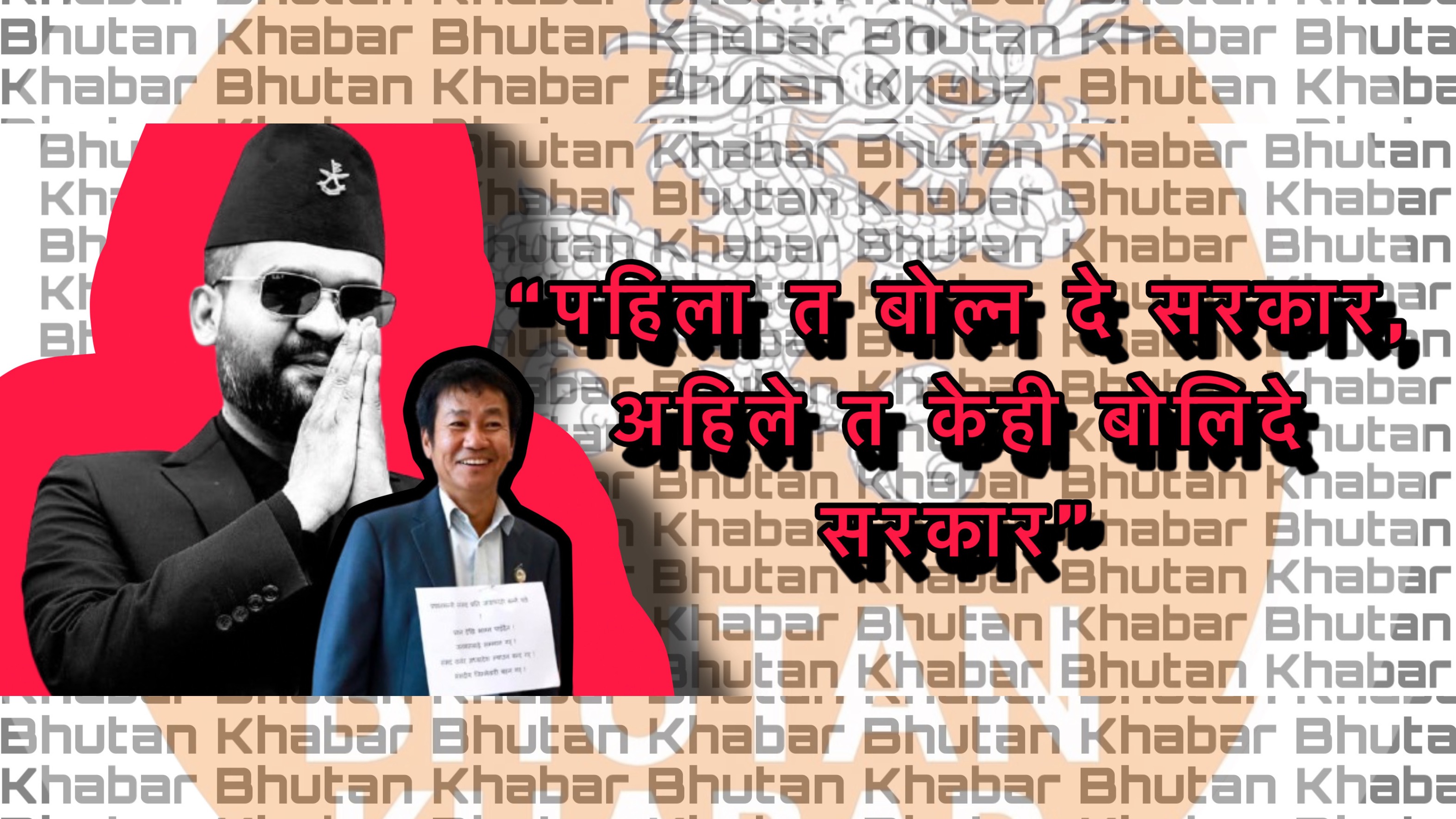
सुकुम्बासी बस्तीमा डोजर चलेपछि नेपालमा सरकारको कार्यशैलीमाथि बहस चर्किएको छ। सामाजिक सञ्जालमा “बोल्न देऊ सरकार” गीत अहिले “केही त बोलिदे सरकार” भन्दै व्यंग्यात्मक रूपमा भाइरल भइरहेको छ। संसदमा Harka Sampang सहित विभिन्न नेताहरूले प्रधानमन्त्री Balen Shah सँग जवाफ मागिरहेका छन् भने जनताबीच डर र असन्तुष्टि बढ्दै गएको चर्चा भइरहेको छ।

नेपाली नागरिकलाई नक्कली भुटानी शरणार्थी बनाएर अमेरिका पठाउने प्रकरणमा ३१ जनाविरुद्धको मुद्दा आज काठमाडौं जिल्ला अदालतमा पुनः पेसीमा परेको छ। तीन वर्ष बितिसक्दा पनि मुद्दाको किनारा लाग्न सकेको छैन।

काठमाडौँमा अतिक्रमण व्यवस्थापनबारे सरकारले भ्रम नफैलाउन आग्रह गर्दै भूमिहीन नागरिकलाई सुरक्षित र स्थायी आवास सुनिश्चित गर्ने प्रतिबद्धता व्यक्त गरेको छ।
