Why Bhutan’s Youth Are Losing Faith: Limited Freedom, Corruption Concerns, and Old Wounds
Bhutan Khabar
Writer at Bhutan Khabar
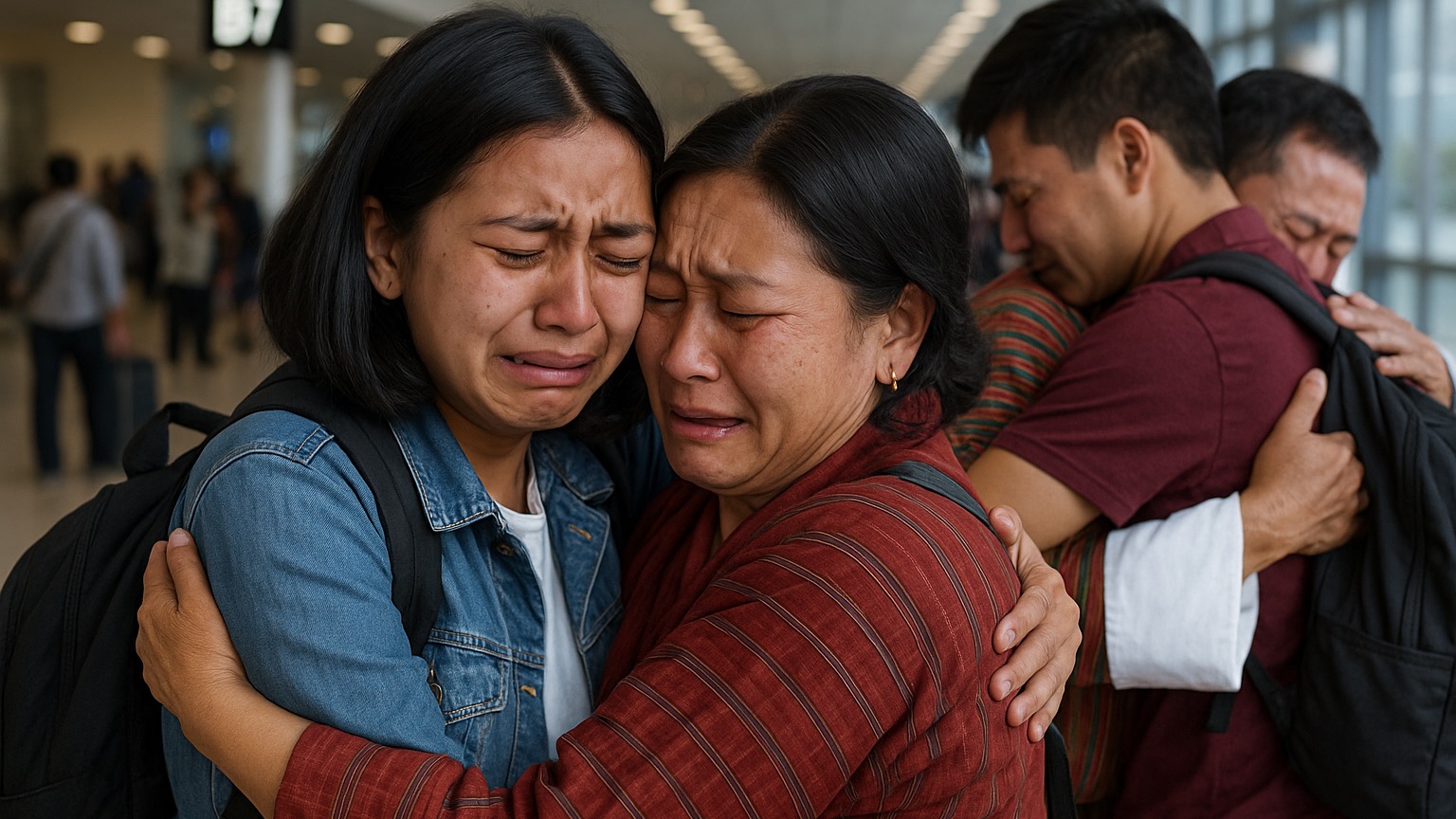

Bhutan is witnessing a growing wave of outward migration, especially among the youth, revealing a deeper crisis beneath the nation’s image of harmony and happiness. Many young Bhutanese feel that opportunities—economic, social, and personal—are increasingly limited within the country. Rising living costs, stagnant wages, and a narrow job market with slow private-sector growth have created an environment where long-term stability feels out of reach. As a result, the idea of “hope abroad” has become more powerful, with many believing that a better future lies outside Bhutan’s borders, while life at home feels restrictive and uncertain.
Freedom of expression, though guaranteed by the Constitution, is often exercised cautiously. Journalists commonly practice self-censorship, and ordinary citizens feel that criticism of powerful institutions brings social or legal risks. This sense of shrinking space for open discussion creates a perception that individual voices are not fully protected. Combined with declining public trust due to concerns about favoritism, nepotism, and misuse of authority, the belief that the system favors those with connections pushes many young people to seek fairness and opportunity elsewhere.
Despite Bhutan’s valuable social benefits—such as free healthcare, free basic education, safety, and a peaceful environment—these advantages are no longer enough to keep young people in the country. Many argue that while social protections are important, they must be matched with real opportunities, career pathways, and the freedom to grow. Entrepreneurship is difficult due to bureaucratic hurdles, limited capital access, and a small market, making many young people feel that their future potential cannot be realized at home. Exposure to the global world through the internet further amplifies this comparison, as youth see countries offering higher wages, diverse careers, and broader freedoms.
The situation is also shaped by Bhutan’s historical wounds, particularly the 1990s crisis that forced tens of thousands of Nepali-speaking Bhutanese out of the country. International human rights organizations criticized the government for unethical practices and cultural discrimination. The unresolved trauma of that era still lingers among global Bhutanese communities and influences how people inside Bhutan perceive justice, fairness, and government intentions. It has contributed to a long-lasting distrust, making some fear that cycles of exclusion or rigid governance could repeat.
Today, the world is increasingly noticing Bhutan’s shrinking workforce, rising migration, and growing dissatisfaction among youth. While Bhutan continues to be seen as peaceful and unique, the contrast between official narratives and lived realities has become more visible internationally. For many young Bhutanese, the choice feels stark—leave in search of opportunity, or stay and struggle with uncertainty. Bhutan stands at a critical moment where its future depends on whether leaders can create an environment that restores hope, encourages open expression, and convinces youth that their future belongs at home.

Comments (0)
You need to be logged in to comment
Login to CommentNo comments yet. Be the first to comment!
Related Articles