Bangladesh Acted. Nepal Must Too: Justice for 76 Young Protesters
Bhutan Khabar
Writer at Bhutan Khabar
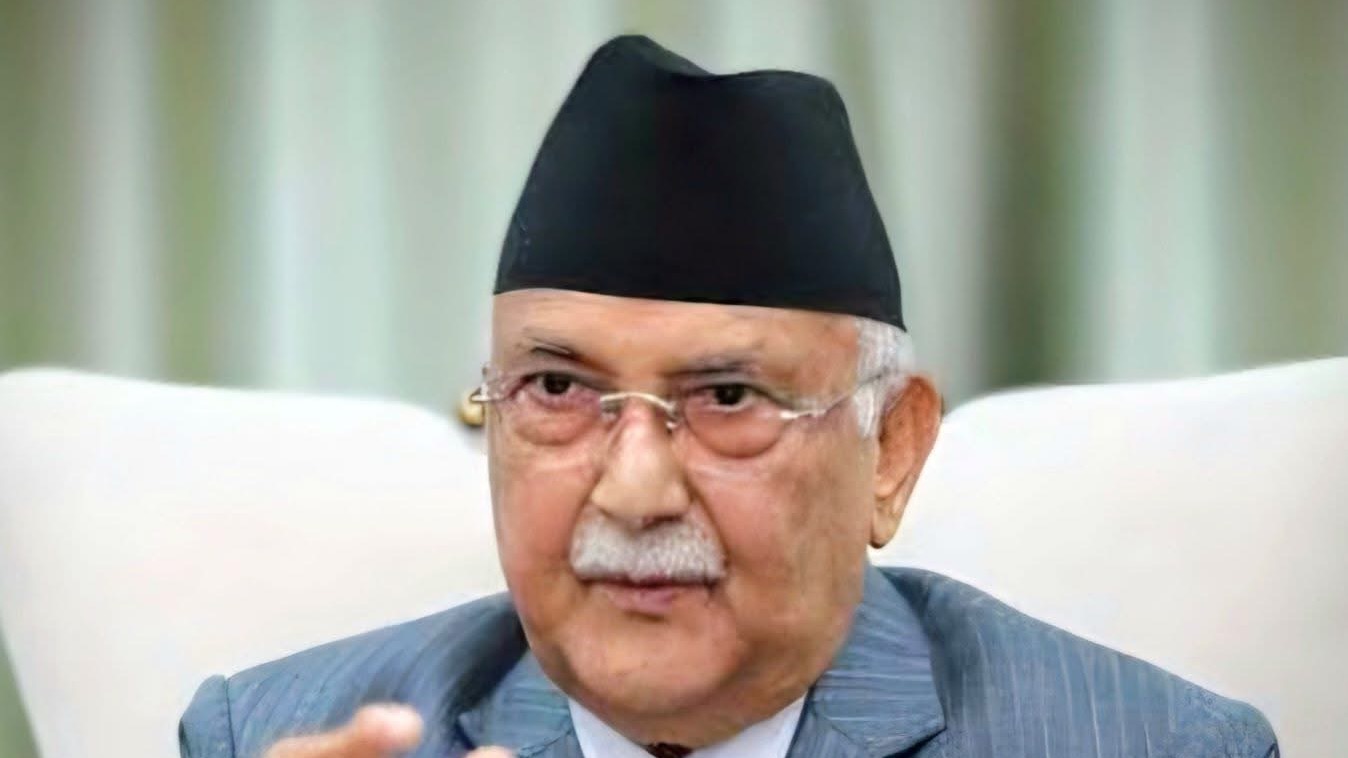

Bangladesh Has Shown That Accountability Is Possible
Justice delayed is justice denied. Nepal today stands at a moral and democratic crossroads—one that will define how it treats its youth, its constitution, and its future.
In Bangladesh, a court recently sentenced a former police chief and senior officials to death for crimes committed during a violent protest crackdown. The ruling sent a clear and powerful message: state authority does not grant immunity, and those who order or carry out unlawful killings will be held accountable—even years later, even if they have fled.
This is not about politics. It is about justice.
Nepal must now ask itself a hard question: why has the killing of 76 Generation Z protesters not received the same urgency, seriousness, and accountability?
76 Young Lives Lost—And Still No Justice
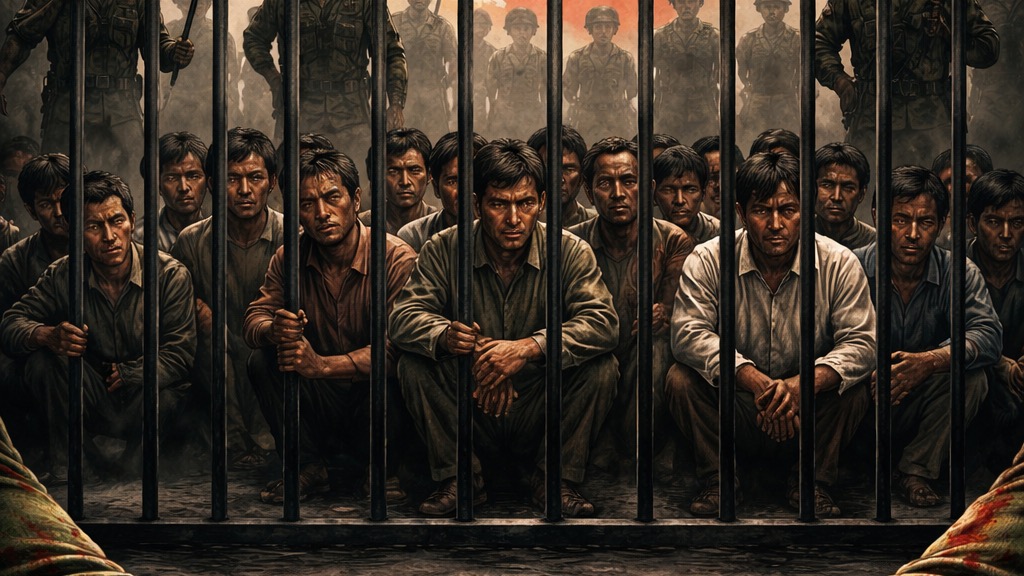
During protests in Nepal, 76 young citizens—mostly Gen Z—were killed. They were students, first-time voters, job seekers, and young activists. They were not terrorists. They were not criminals. They were citizens exercising their democratic right to protest.
Yet:
No senior official has been held criminally responsible
No transparent, independent investigation has been completed
No meaningful prosecutions have begun
Families continue to wait in silence and grief
In contrast, Bangladesh’s courts—despite political complexity and controversy—have acknowledged that crimes against protesters are crimes against humanity and democracy itself.
Nepal’s inaction speaks loudly.
Accountability Is Not Revenge—It Is the Rule of Law
Justice does not mean vengeance. It means:
Independent and impartial investigations
Clear identification of those who gave orders
Legal accountability regardless of rank or political protection
Public acknowledgment of wrongdoing
Reparations and dignity for victims’ families
Bangladesh’s ruling demonstrates that accountability is possible in South Asia. Nepal cannot claim it is “too difficult,” “too sensitive,” or “too destabilizing.”
What is destabilizing is impunity.
A Generation Is Watching
Generation Z is watching closely. They are digitally connected, politically aware, and deeply conscious of global standards of justice. They see that elsewhere, courts can act—even against powerful state actors.
If Nepal continues to delay, deny, or deflect responsibility, it risks:
Permanent loss of trust among young citizens
Deepening political alienation
Radicalization born from injustice
Historical judgment that will not be kind
Nations are not judged by how they silence protests—but by how they respond when power is abused.
Nepal Must Act—Immediately
Nepal must follow the principle demonstrated in Bangladesh: no one is above the law.
Justice for the 76 young protesters must not be postponed, politicized, or buried. The credibility of Nepal’s democracy depends on it.
Justice must be served.
Not quietly.
Not selectively.
Now.

Comments (0)
You need to be logged in to comment
Login to CommentNo comments yet. Be the first to comment!
Related Articles
काठमाडौं उपत्यकाबाट हटाइएका सुकुम्बासी परिवारहरूलाई भक्तपुरको खरिपाटीस्थित नेपाल विद्युत् प्राधिकरण तालिम केन्द्रमा अस्थायी रूपमा राखिएको छ। सरकारले दीर्घकालीन पुनर्स्थापनाको तयारी भइरहेको जनाएको छ।

सहरको रूप लिँदै गए पनि मधुमल्लाको मुटु अझै सोमबार लाग्ने त्यही बजारमै धड्किरहेको छ—जहाँ पहाडको गाउँ र सहरको आवश्यकता एउटै ठाउँमा भेटिन्छ।
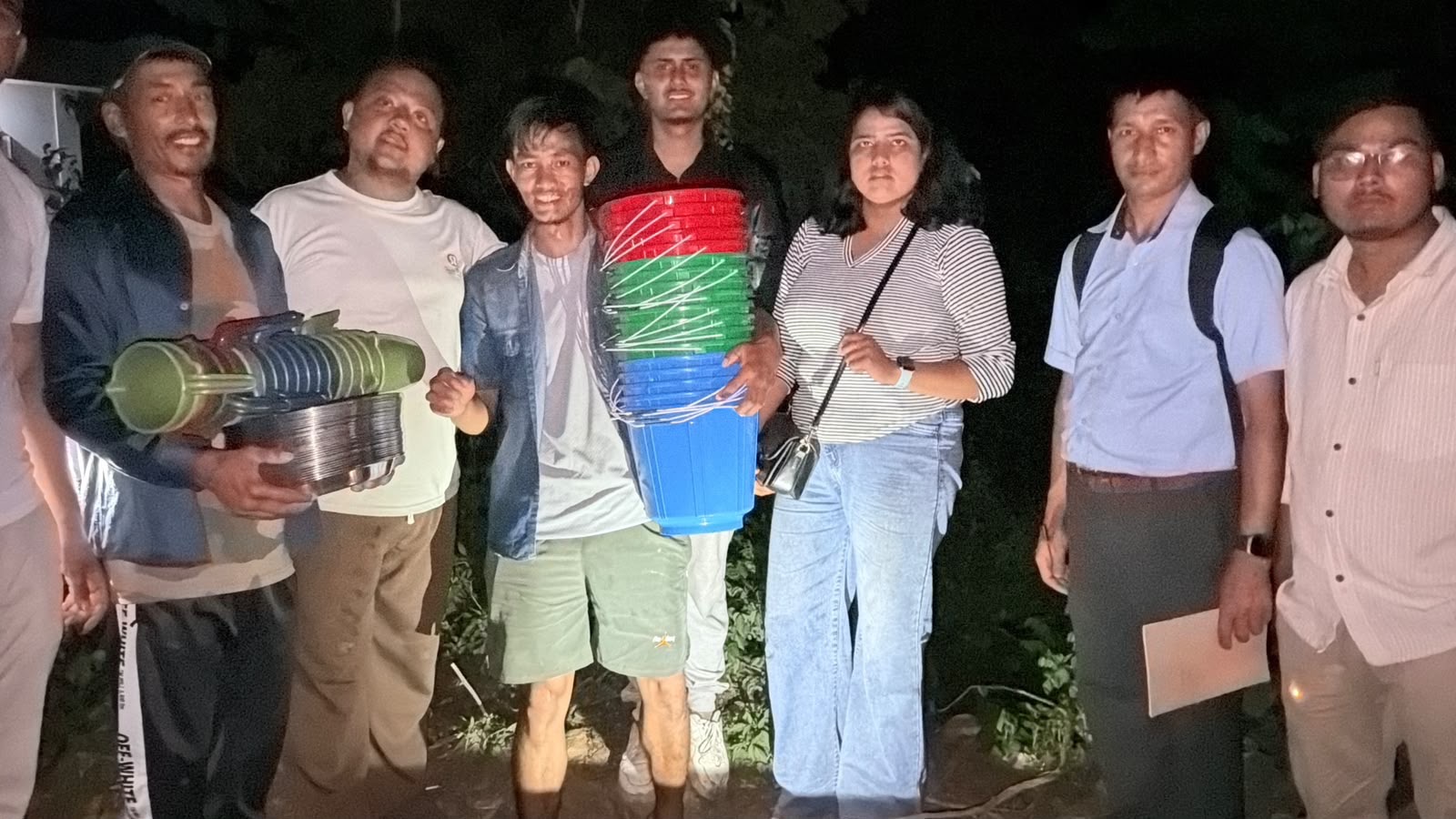
शर्माले भन्नुभयो, “हामी शरणार्थी हुँदा नेपालले नै हामीलाई शरण दिएको थियो। हाम्रा पुर्खालाई नेपालले आश्रय दिएको इतिहास हामीले बिर्सेका छैनौँ। हाम्रो मन, भावना, भाषा र सम्बन्ध नेपालसँग जोडिएको छ। नेपाल र नेपालीलाई परेको दुःख हामीलाई पनि परेको दुःख हो। त्यसैले यस्तो बेला हामीले सकेको सहयोग गर्न पछि हट्दैनौँ।”
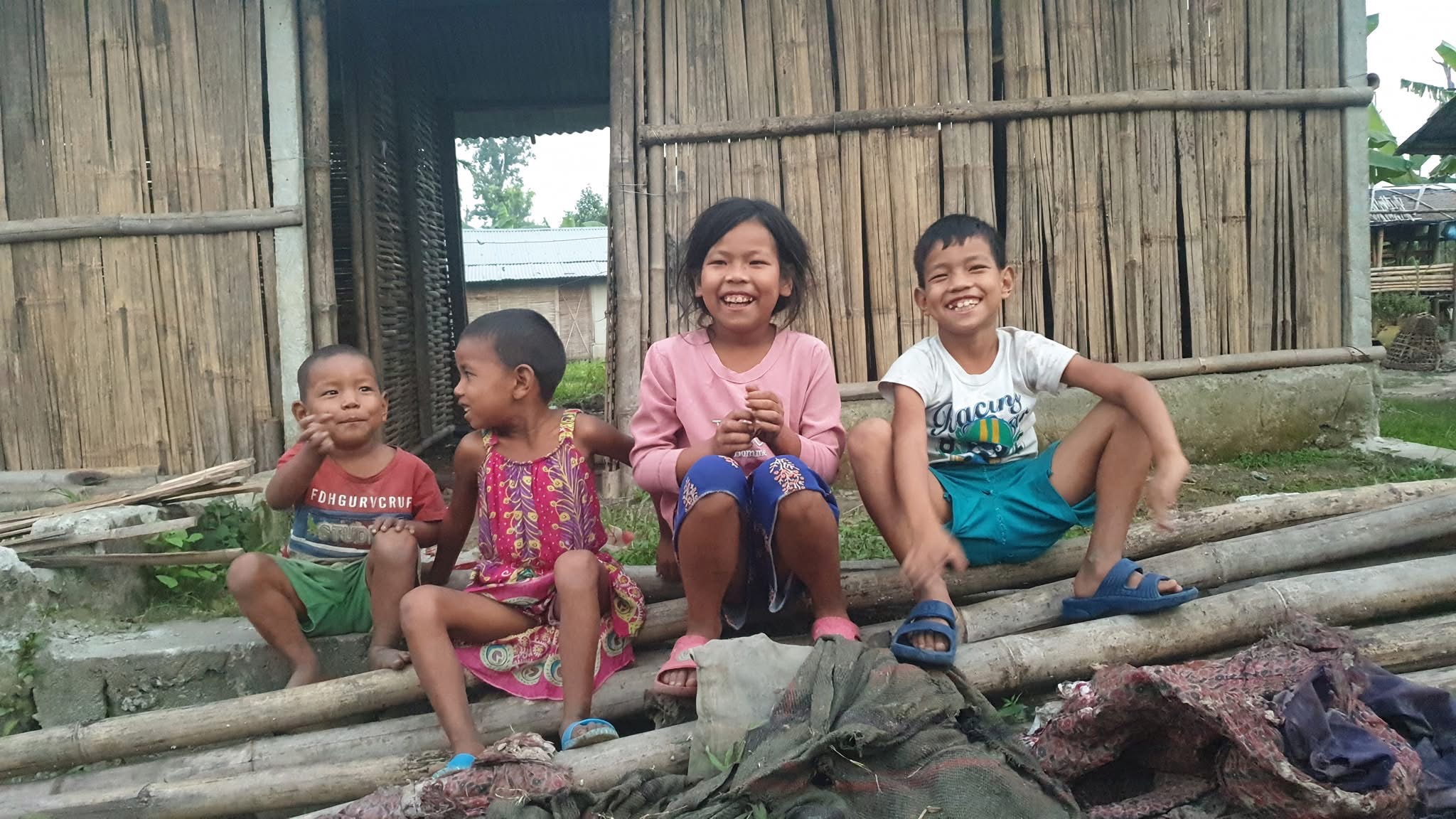
"बालअधिकारसम्बन्धी महासन्धि (CRC) ले भन्छ— 'बालबालिका कुनै देश वा सीमाका मात्र हुँदैनन्, उनीहरू साझा हुन्।' तर विडम्बना, हाम्रो कोखबाट जन्मिएका निर्दोष बालबालिकाहरू सोझै शरणार्थी बनेर जन्मन बाध्य छन्।"