Bhutan’s Untold Story: Political Prisoners in the Land of Happiness
Bhutan Khabar
Writer at Bhutan Khabar
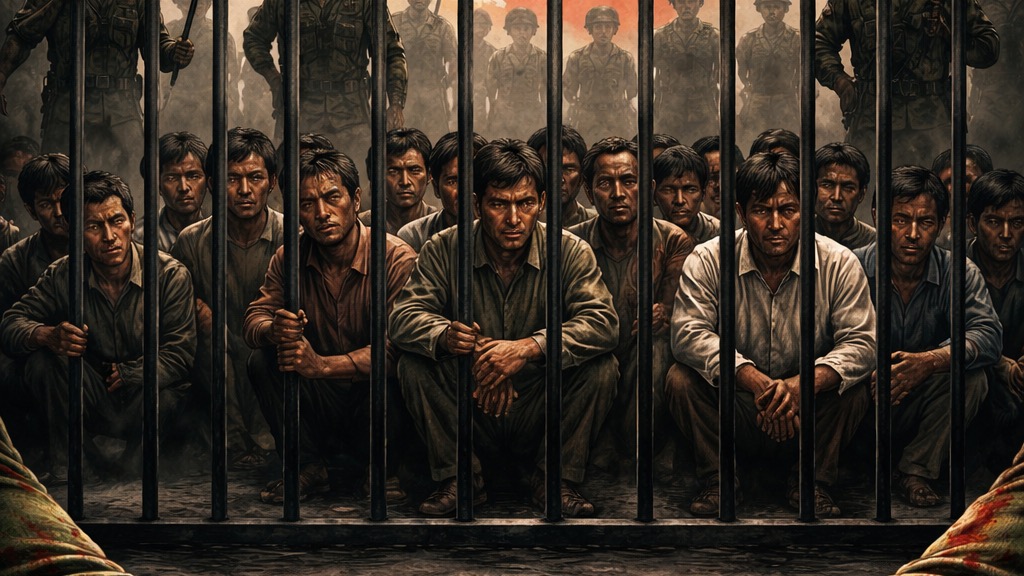

Every year on December 17, Bhutan celebrates its National Day, commemorating the establishment of the monarchy in 1907. The day is officially presented as a symbol of unity, peace, and national pride, closely tied to Bhutan’s global image as a peaceful Himalayan kingdom guided by the philosophy of Gross National Happiness (GNH). While the celebrations highlight cultural heritage and stability, human rights advocates argue that the national narrative remains incomplete without addressing Bhutan’s unresolved legacy of repression and displacement.
Behind the international branding of happiness lies the history of the Lhotshampa, Nepali-speaking Bhutanese who predominantly lived in southern Bhutan. Recognized as citizens under the 1958 Citizenship Act, many Lhotshampa were later stripped of their nationality following stricter citizenship laws enacted in 1977 and 1985. A controversial nationwide census in 1988 reclassified thousands as “illegal immigrants,” despite generations of residence, laying the groundwork for systematic exclusion.
Tensions escalated in 1990, when peaceful demonstrations calling for democracy, cultural rights, and equal citizenship were met with force. International human rights organizations documented arbitrary arrests, torture, sexual violence, forced confessions, and intimidation by state authorities. Amnesty International and Human Rights Watch reported that dissent was criminalized and entire communities were pressured to leave the country through coercion and fear.
As a result, more than 100,000 Nepali-speaking Bhutanese were forced to flee or expelled in the early 1990s, creating one of South Asia’s largest refugee crises. Most sought refuge in camps in eastern Nepal, where many lived for nearly two decades without citizenship, legal protection, or a right of return. Bilateral talks between Bhutan and Nepal failed, as Bhutan consistently denied responsibility and refused large-scale repatriation.
Although Bhutan adopted a constitution and held elections in 2008, rights groups say meaningful accountability never followed. Reports confirm that dozens of political prisoners, many of them ethnic Nepalis, remain incarcerated for speaking out against the government or demanding basic rights. Some have spent over 20 to 30 years in prison, convicted under broad national security laws that international observers say violate due process and freedom of expression.
Recent United Nations findings have renewed international concern. UN experts and global media have highlighted patterns of discriminatory detention and persecution targeting Nepali-speaking minorities. These reports conclude that Bhutan has failed to resolve the statelessness it created, while continuing to suppress voices calling for justice, transparency, and reform.
The crisis has taken a new global dimension in recent years. Former Bhutanese refugees deported from the United States have been left in legal limbo, rejected by Bhutan and lacking formal status elsewhere. These cases underscore how unresolved citizenship issues continue to impact lives decades after the initial expulsions, revealing the long-term consequences of Bhutan’s policies.
As Bhutan celebrates National Day, activists argue that Gross National Happiness cannot be credible without justice, accountability, and reparations. Calls continue for Bhutan to acknowledge the forced displacement of the Lhotshampa, release remaining political prisoners, restore citizenship or provide compensation, and allow independent investigations into past abuses. Without confronting this history, critics say, Bhutan’s image of harmony remains incomplete—celebrated on the surface, but contested by those still denied justice.

Comments (0)
You need to be logged in to comment
Login to CommentNo comments yet. Be the first to comment!
Related Articles
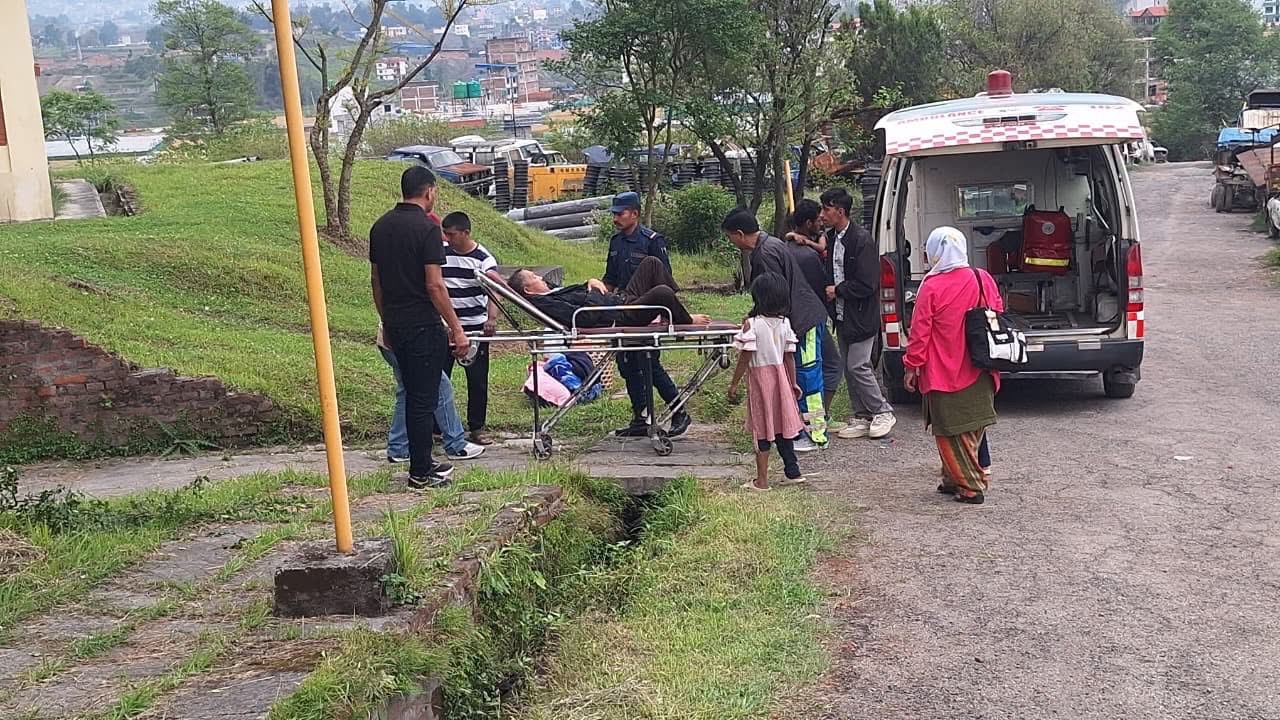
काठमाडौं उपत्यकाबाट हटाइएका सुकुम्बासी परिवारहरूलाई भक्तपुरको खरिपाटीस्थित नेपाल विद्युत् प्राधिकरण तालिम केन्द्रमा अस्थायी रूपमा राखिएको छ। सरकारले दीर्घकालीन पुनर्स्थापनाको तयारी भइरहेको जनाएको छ।
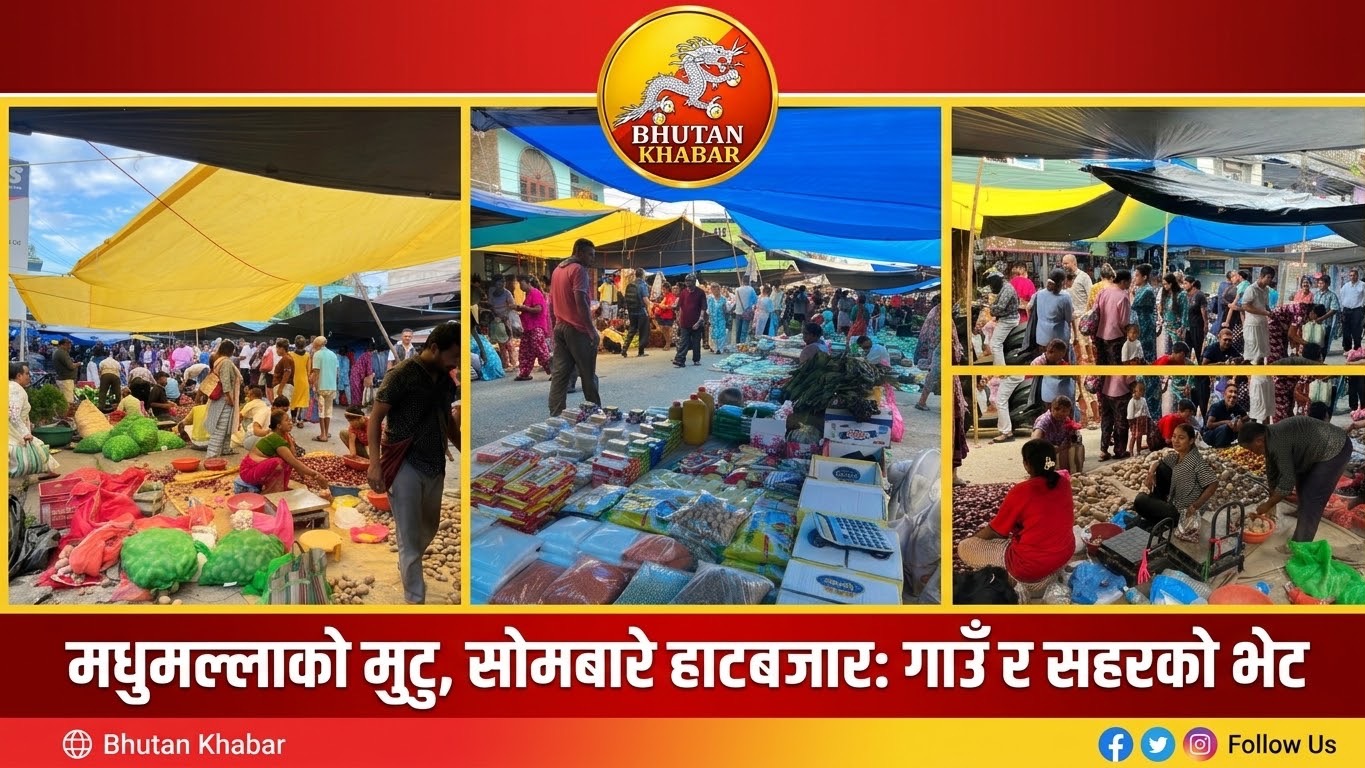
सहरको रूप लिँदै गए पनि मधुमल्लाको मुटु अझै सोमबार लाग्ने त्यही बजारमै धड्किरहेको छ—जहाँ पहाडको गाउँ र सहरको आवश्यकता एउटै ठाउँमा भेटिन्छ।
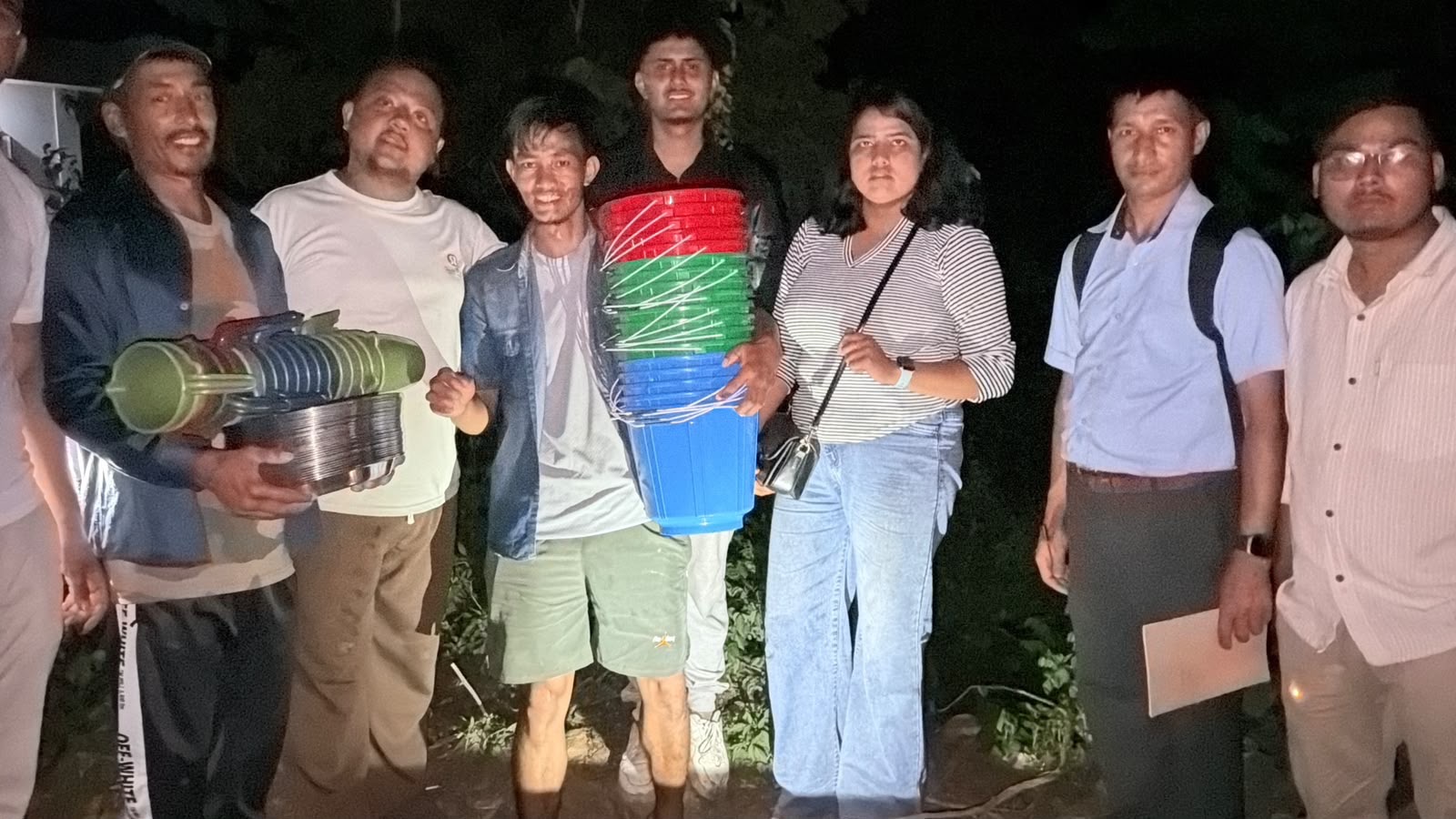
शर्माले भन्नुभयो, “हामी शरणार्थी हुँदा नेपालले नै हामीलाई शरण दिएको थियो। हाम्रा पुर्खालाई नेपालले आश्रय दिएको इतिहास हामीले बिर्सेका छैनौँ। हाम्रो मन, भावना, भाषा र सम्बन्ध नेपालसँग जोडिएको छ। नेपाल र नेपालीलाई परेको दुःख हामीलाई पनि परेको दुःख हो। त्यसैले यस्तो बेला हामीले सकेको सहयोग गर्न पछि हट्दैनौँ।”
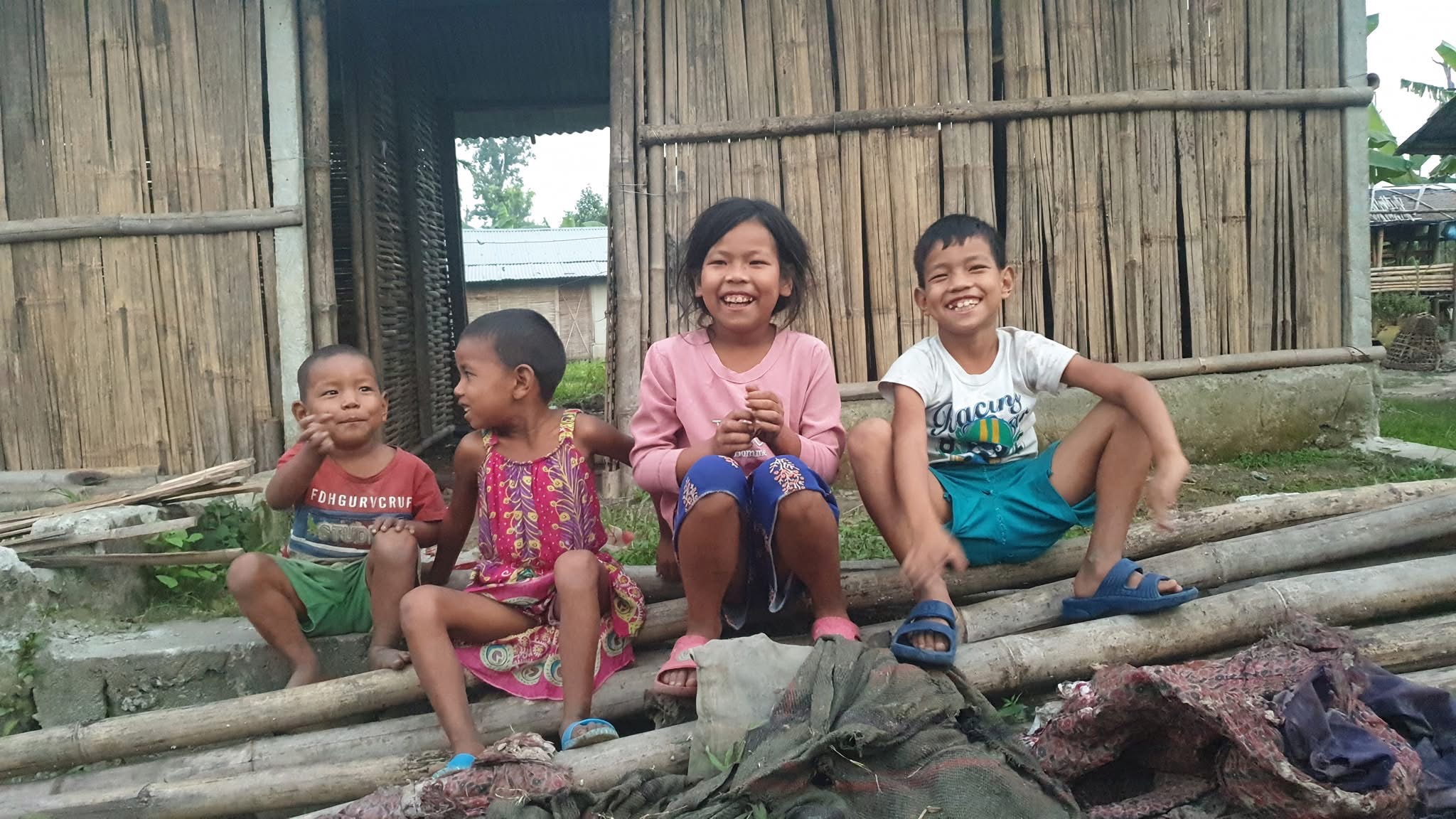
"बालअधिकारसम्बन्धी महासन्धि (CRC) ले भन्छ— 'बालबालिका कुनै देश वा सीमाका मात्र हुँदैनन्, उनीहरू साझा हुन्।' तर विडम्बना, हाम्रो कोखबाट जन्मिएका निर्दोष बालबालिकाहरू सोझै शरणार्थी बनेर जन्मन बाध्य छन्।"